
A Feast of Color from Every Corner of the World
Origins of the Edible Rainbow
Ancient Pigments at the Hearth
Saffron threads steeped to release a sunlit glow; turmeric bloomed in ghee; beetroot grated into dough; and annatto warmed in oil to tint rice. Long before bottled dyes, families learned patient methods that coaxed nature’s shades into comforting staples and celebratory dishes.
Caravans, Monsoons, and Maritime Routes
Spice-laden ships and camel caravans linked islands, deserts, and river deltas, blending local greens with imported reds and golds. Markets taught cooks to reinterpret color, swapping chilies for native peppers or hibiscus for sumac, evolving palettes that still echo in today’s kitchens.
Symbolism Served Family-Style
Crimson often promised luck or protection, green whispered growth and spring, and white suggested purity or new beginnings, though meanings shifted with region and era. Grandmothers explained colors while plating, ensuring every mouthful carried stories alongside spice, smoke, tenderness, and welcoming laughter.
Markets That Paint the Pantry
Festival Tables Bursting with Color
India’s Sweets and Savories in Full Spectrum
Mexico’s Markets and Parties in Living Color
Maghrebi Sunsets on Shared Platters
Heat That Helps, Heat That Hurts
Acids, Bases, and Playful Transformations
Infusions, Oils, and Tinted Steams
Techniques for Vibrancy Without Artificial Dyes
Health, Memory, and the Psychology of Color
A Simple Rainbow for Everyday Eating
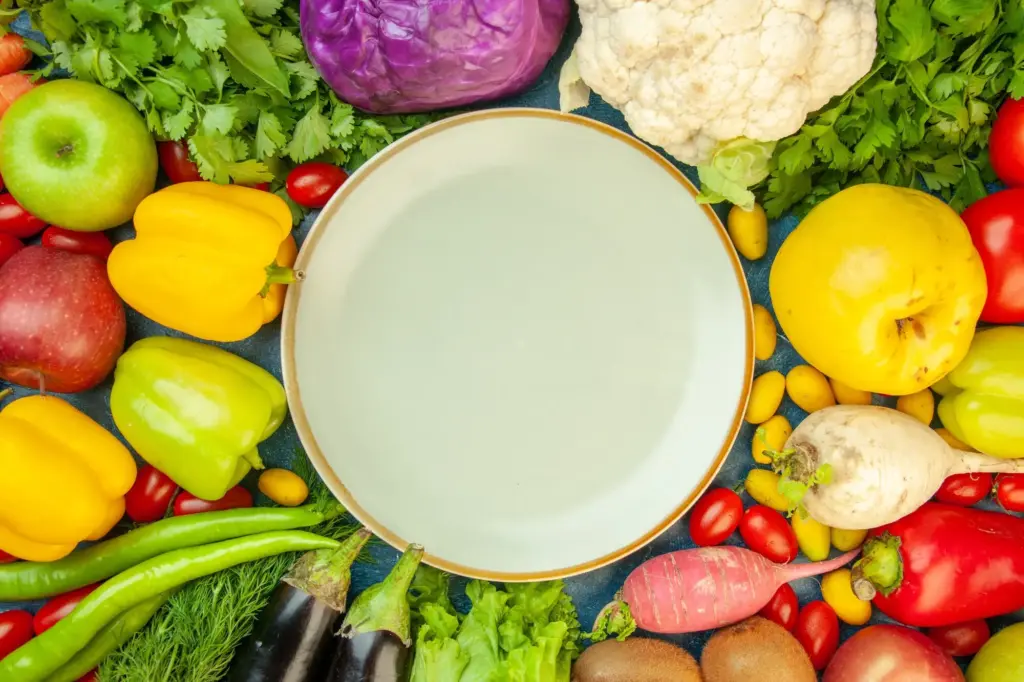
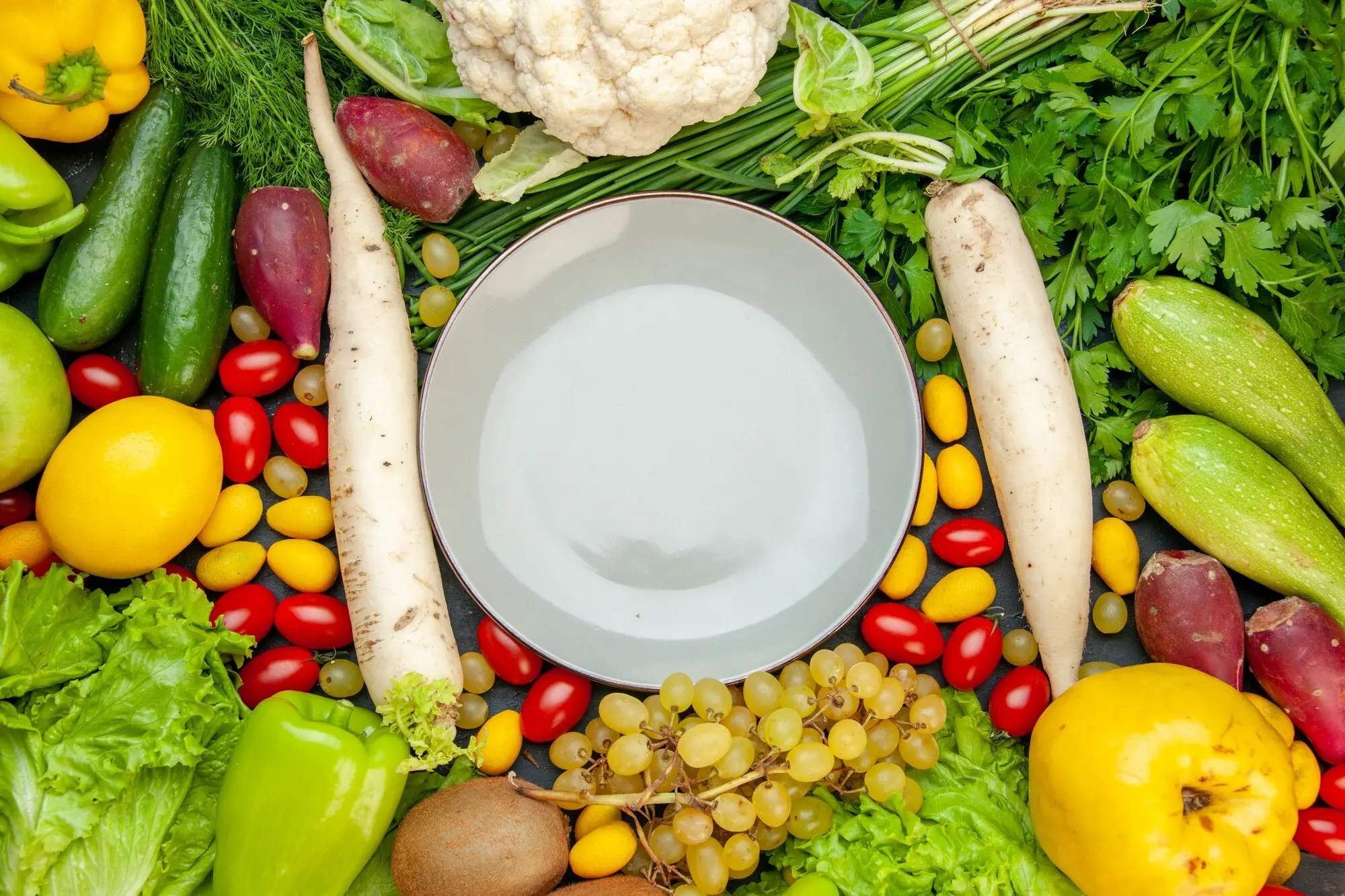
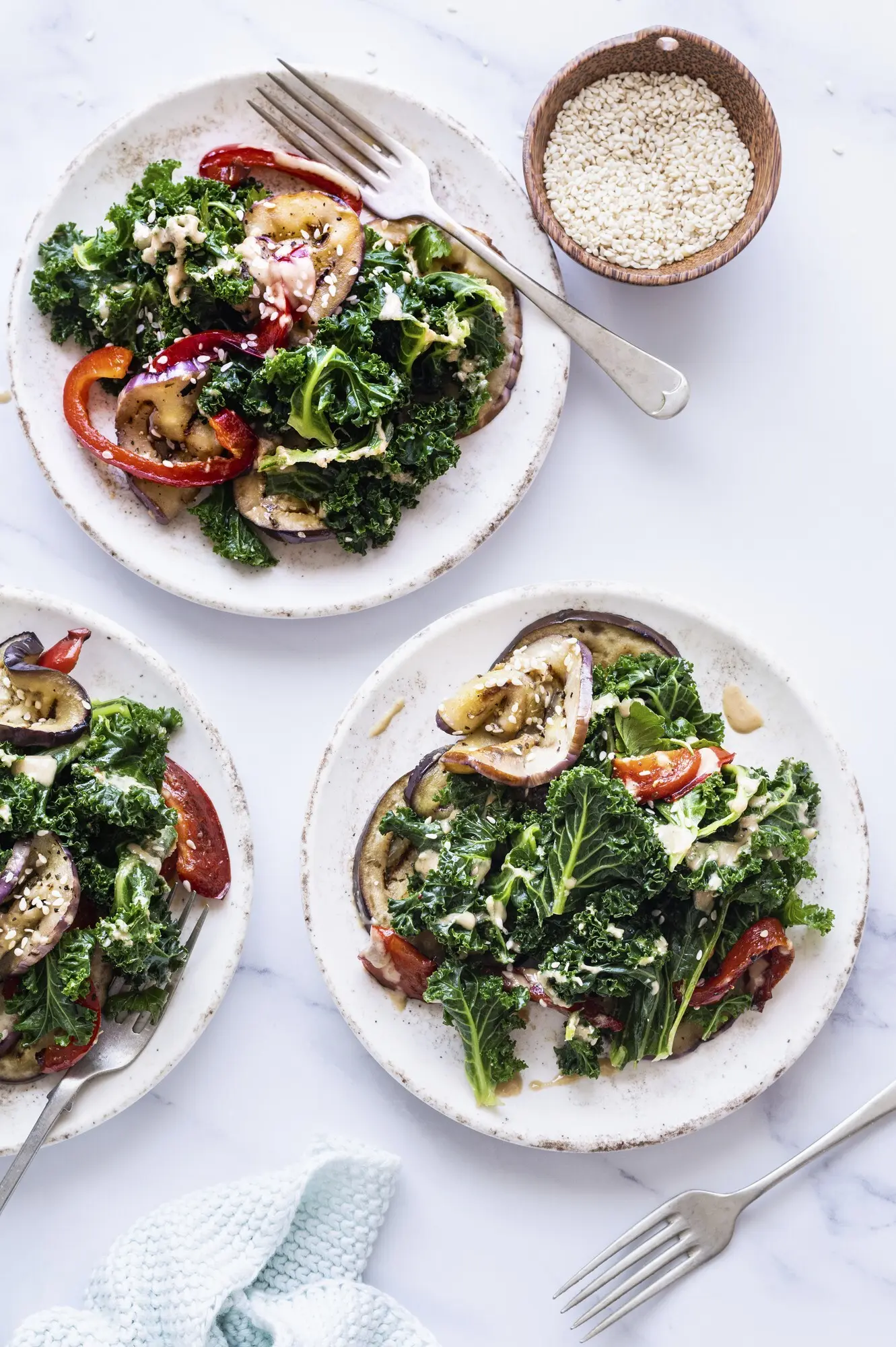
Use color as an easy checklist rather than a rulebook: reds, oranges, greens, blues, purples, whites, and browns across a day. Rotate grains and legumes, pile herbs generously, and let sauces shimmer, building variety that nourishes bodies, routines, and adventurous spirits.
What Hues Whisper to the Brain
Warm colors can suggest sweetness or ripeness, while greens imply freshness and balance; deep purples hint at richness. Although culture shapes expectation, thoughtful plating nudges appetite and mood, helping cautious eaters welcome unfamiliar produce through beauty, contrast, and friendly, gently persuasive presentation.
Stories Carried by Garnishes
A grandmother’s handful of pomegranate seeds over pilaf, a father’s swirl of chili oil on dumplings, a friend’s mint tucked into lemonade—small flourishes remember people and places. Color becomes a message, reminding cooks why they gather, share, teach, and taste together.
Compose a Plate with Painterly Intent
Photograph the Glow You Cook
Join the Feast, Tell Us Your Colors
All Rights Reserved.